

Extreme weather can strike any region of the United States without warning. From hurricanes and tornadoes to blizzards, floods, and wildfires, every homeowner faces the risk of serious property damage and the difference between minor repairs and catastrophic loss often comes down to how well prepared your home was before the storm hit.
Preparing your home for extreme weather means reviewing your insurance coverage, sealing structural vulnerabilities, protecting your pipes from freezing, maintaining your landscaping, and having an emergency kit ready all steps that can significantly reduce damage and keep your family safe when severe weather strikes.
Taking action before extreme weather arrives is always faster, cheaper, and safer than dealing with the aftermath. Here is exactly what you need to do.
Look Over Your Insurance Policy
While the sun is shining, it is a good idea to review your insurance policies to ensure loss coverage in cases of natural disasters, which are often excluded from homeowners insurance. For example, water damage and flood damage are viewed separately, and your homeowners insurance will not cover flood damage from severe weather or a natural disaster.
Prepare an Emergency Kit
Now, this does not mean just a small box of bandages and extra batteries. If you are able to, you should designate an entire closet for emergency preparedness items. This will include bandages and batteries, but you will also need items like:
- A portable radio
- Flashlights, candles, matches
- First aid supplies and medicine
- Extra blankets
- Nonperishables
- Water
- Toilet paper
It is recommended to have at least a 3-day supply of food, water, and essential daily items. You may never need to use your emergency kit, but the peace of mind it offers will have you feeling more confident going into any severe weather situation.
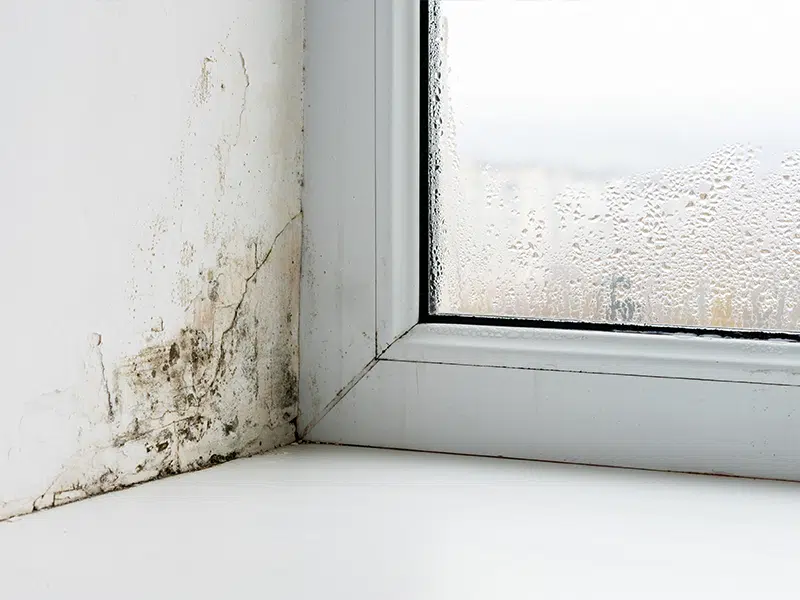
Make Sure Your Home is Properly Sealed
Doors and windows are the obvious points of entry for the elements, but you also want to make sure that your roof is well-maintained and that your home is structurally sound. Leaky roofs and basements can lead to extensive interior damage in the event of extreme weather.
In strong wind scenarios, you want to prevent powerful gusts from circulating through your home and creating updrafts that can threaten the roof and blow out windows.
If your basement takes on water during extreme weather, acting fast is critical. Professional basement flood cleanup extracts standing water and dries the structure before mold and structural damage set in.
Prep Your Pipes

Even with precautions, frozen pipes can burst and cause serious water damage within minutes. If your pipes have frozen or burst during extreme cold, professional frozen pipe repair stops the damage fast and prevents further water intrusion into your home.
Don’t Neglect Your Landscaping
Keeping shrubbery and trees trimmed will prevent potential debris from flying through your window or smashing through your roof. If you have large trees in close proximity to your home, you may want to consider tree removal as they are not only susceptible to high winds that could send them crashing, but they are veritable lightning rods that could lead to a house fire.
What to Do if Your Experience Damage
Now that you’re aware of ways to prepare for inclement and severe weather, you should be able to minimize most damages caused by the elements. Total avoidance, however, is not always possible. In the event that you incur damages from strong storms or natural disasters, you will need help from expert restoration services like 24 Hour Flood Pros to assist in mitigating and restoring extreme weather losses.
Storm damage from extreme weather events often requires immediate professional response. Our storm damage restoration team is available 24/7 to assess damage, begin extraction and drying, and restore your property as quickly as possible.


