
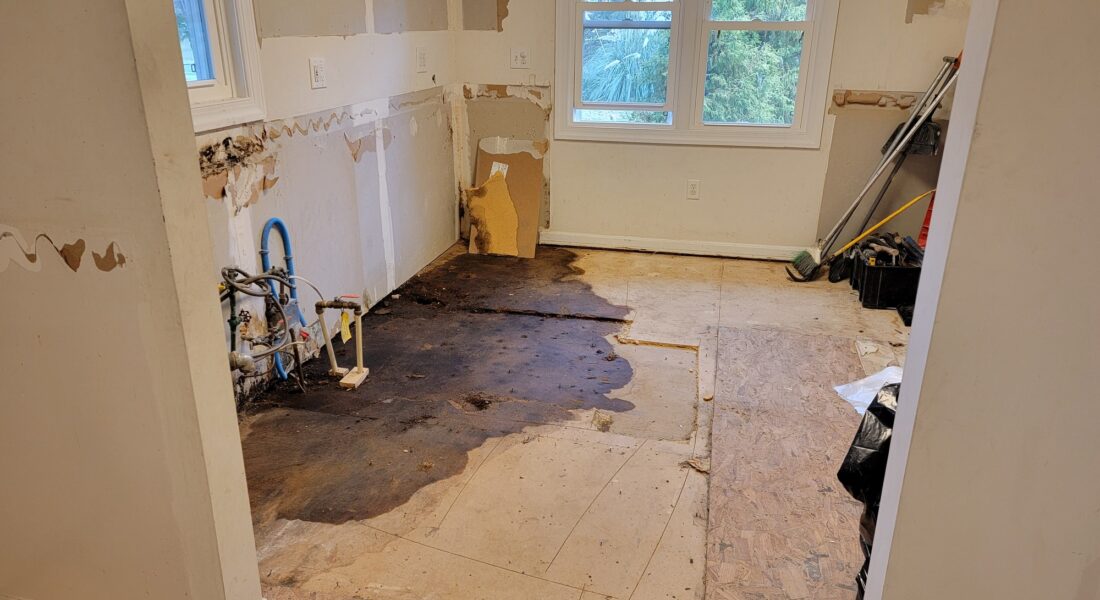
When your home or business experiences water damage, time is of the essence — but exactly how long does water damage restoration take? The answer depends on several factors, including the source of the water, the extent of the damage, and how quickly professionals can begin mitigation.
Let’s break down what you can expect during the restoration process.
1. The Assessment and Water Removal Stage (1–3 Days)

The first step in any restoration project is a detailed inspection. Certified technicians assess the source, category, and spread of the water damage. This evaluation helps determine what materials can be salvaged and which need replacement.
- Once the inspection is complete, water extraction begins. Using industrial pumps and vacuums, technicians remove standing water as quickly as possible to prevent mold growth and structural deterioration.
Pro Tip: Call a professional within 24 hours of the incident. The faster the water is removed, the lower your restoration costs — and the less likely mold will form.
For more on the cost of delaying restoration and the importance of mold remediation response plans, read our guides:
- The Real Cost of Delaying Water Damage Restoration
- Why Mold Remediation Services Need a 24/7 Emergency Response Plan
2. Drying and Dehumidification (2–5 Days)
After the bulk of the water is extracted, the drying phase begins. Specialized air movers and dehumidifiers are strategically placed to draw moisture out of walls, floors, and the air. Depending on the extent of saturation and the materials involved, this process can take anywhere from two to five days.
- Technicians use moisture meters to monitor progress and ensure everything reaches acceptable dryness levels before moving forward.
Pro Tip: Avoid turning off drying equipment prematurely. It may seem noisy, but consistent airflow is essential to prevent lingering dampness that can cause hidden damage later.
Learn more about lingering water damage and hidden signs here:
- Conquering Lingering Water Damage: Essential Steps for Restoration
- When to Call a Water Damage Restoration Company: Signs of Hidden Water Damage
3. Cleaning and Sanitizing (1–2 Days)

Once the area is dry, it’s time to clean and sanitize. All affected surfaces are scrubbed and treated to remove contaminants, odors, and bacteria — especially if the water came from a contaminated source like a sewer backup or stormwater.
In some cases, carpets, upholstery, or drywall may need professional cleaning or complete replacement.
4. Restoration and Repairs (Several Days to a Few Weeks)
The final phase focuses on restoring your property to its pre-damage condition. This could range from simple drywall repairs and painting to complete reconstruction of flooring, cabinetry, or structural components.
- Minor repairs might take just a few days, while extensive rebuilds could stretch over several weeks.
- Throughout this stage, communication between you and your restoration team ensures a smooth, transparent process.
Pro Tip: Ask for a detailed restoration timeline upfront. Reputable companies like 24 Hour Flood Pros will keep you updated every step of the way.
The Bottom Line
On average, the full water damage restoration process takes anywhere from 5 days to 3 weeks, depending on the severity and the type of water involved. Acting quickly, choosing certified professionals, and maintaining good communication can dramatically shorten that timeline.
At 24 Hour Flood Pros, our team is available day or night to respond fast, minimize damage, and restore your property safely and efficiently.


