
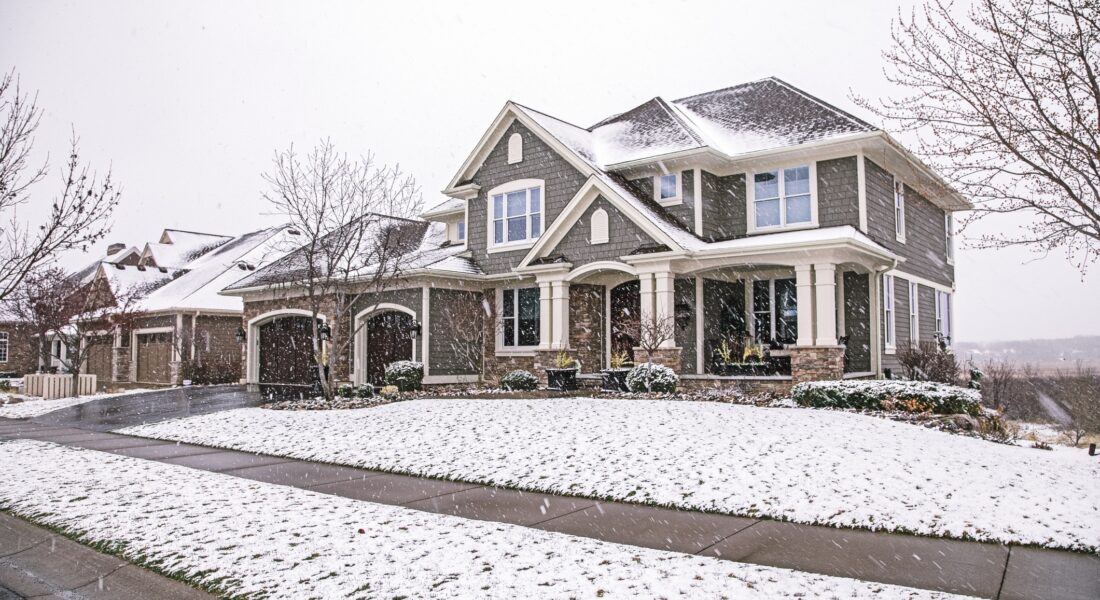
When temperatures plummet, your home faces two major risks: frozen pipes and increased fire hazards. Winter can be harsh on plumbing and heating systems alike — but with the right preparation, you can avoid costly damage and stay safe all season long.
1. The Danger of Frozen Pipes

When water freezes inside your pipes, it expands and can cause pipes to burst — leading to flooding, water damage, and expensive repairs. Homes with uninsulated pipes in basements, crawl spaces, attics, and exterior walls are especially at risk.
How to Prevent Frozen Pipes:
- Insulate Exposed Pipes: Foam insulation sleeves or heat tape can make a big difference.
- Keep a Slow Drip: On especially cold nights, let faucets trickle to keep water moving.
- Seal Drafts: Check for cold air leaks near pipes and seal gaps around windows and doors.
- Maintain Indoor Heat: Even if you’re away, keep your thermostat set above 55°F.
Pro Tip: If you suspect a frozen pipe, turn off the main water supply immediately and call a restoration professional before it bursts.
For more on frozen pipe prevention, read our detailed guide: Preventing Frozen Pipes: Tips and Advice if Your Pipes Freeze
2. Hidden Winter Fire Hazards
It’s not just frozen pipes that threaten your home in winter — fire hazards spike during the colder months, too. Heating systems, space heaters, and holiday décor can all pose risks when used improperly.
Common Winter Fire Risks:
- Overloaded electrical outlets from space heaters or festive lights.
- Dirty chimneys or fireplaces that can ignite creosote buildup.
- Unattended space heaters placed too close to furniture, curtains, or bedding.
- Dry Christmas trees that can catch fire in seconds.
How to Stay Safe:
- Have your heating system and chimney inspected annually.
- Use only one heat-producing appliance per outlet.
- Keep space heaters at least three feet away from anything flammable.
- Water live Christmas trees daily and turn off holiday lights when leaving home.
Pro Tip: Install smart smoke and carbon monoxide detectors for around-the-clock monitoring — even when you’re away.
Find more tips on protecting your home during the holidays here:
- Holiday Safety 101: Tips to Prevent Fires from Decorations and Cooking
- Thanksgiving Cooking Safety: Avoiding the Most Common Kitchen Fires
- A Homeowner’s Guide to Fire Prevention in the New Year
3. What to Do in Case of Damage

Even with precautions, emergencies can happen. Burst pipes can cause water damage, while fires can leave behind smoke and soot that require immediate cleanup.
If you experience either, it’s critical to act fast:
- Shut Off the Source: Turn off the main water valve or disconnect electricity if it’s safe.
- Call the Professionals: 24 Hour Flood Pros offers immediate emergency response for both fire and water damage restoration.
- Document Everything: Take photos for your insurance company before cleanup begins.
Pro Tip: The faster you call for professional help, the more likely you are to save floors, walls, personal belongings, and money!
Check out our guide for more info on the importance of fast action in an emergency: How Restoration Services Can Save You Thousands in the Long Run
Prepare Now, Relax Later
A little prevention goes a long way toward keeping your home safe and comfortable this winter. By insulating pipes, maintaining heating systems, and using caution with electrical and fire sources, you’ll greatly reduce the risk of costly disasters.
If winter weather leaves your home damaged, contact 24 Hour Flood Pros — your trusted experts in emergency water and fire restoration. We’re available 24/7 to restore your home quickly and safely.

