
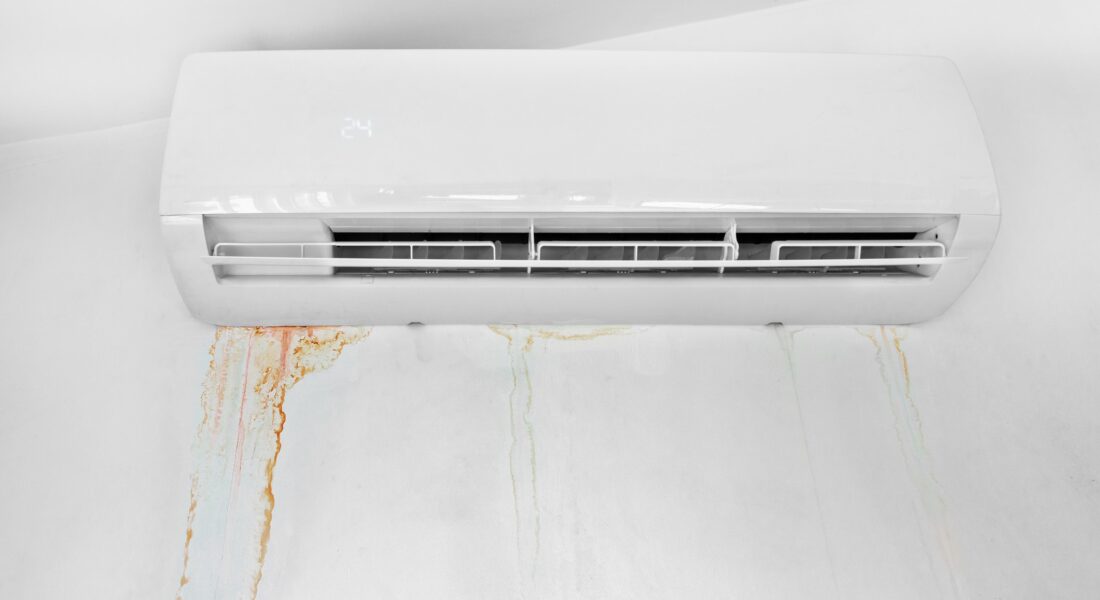
Can a Leaking AC Unit Cause Water Damage in Your House
Your AC is meant to keep your home cool and comfortable, not turn it into a leaky nightmare. But when something goes wrong with its drainage system, even the smallest leak can cause surprisingly costly water damage.
So, can a leaking AC unit lead to water damage? Absolutely. And because air conditioners are often located in attics, closets, or other out-of-sight spaces, leaks can go unchecked until water stains appear or flooring starts to buckle.
Here’s how AC leaks damage your home, the causes, and what to do before a little drip becomes a large headache.
How an AC Unit Leaking Water Inside the House Causes Damage
An AC unit leaking water inside your house can lead to:
- Soaked insulation
- Damage to structural materials
Water from a clogged drain line, overflowing condensate pan, or frozen evaporator coil can soak surrounding surfaces. If moisture stays trapped, it can weaken drywall, warp wood, and cause mold growth.
Ceiling and Wall Water Stains
An AC unit in the attic can leak directly onto ceiling drywall. Brown stains, bubbling paint, and sagging surfaces are all common signs of ceiling damage caused by a leaky AC unit. And it’s important to note that those stains aren’t just cosmetic. Saturated drywall can deteriorate, while moisture may find its way into insulation and framing.
Pro Tip: If your ceiling is bulging or sagging, stay away from the affected area. Waterlogged drywall can collapse suddenly, ruining your day in an instant.
Damage to Flooring and Carpets
When water leaks from an indoor AC unit, it can seep beneath carpets, laminate, hardwood, and baseboards. Wood may swell or warp, and carpet padding can retain moisture while subfloors deteriorate.
Even after visible puddles are dried, hidden water damage may remain.
Mold Growth from Trapped Moisture
Warm temperatures and damp building materials create the perfect environment for mold. According to the EPA, wet materials should be dried within 24–48 hours to help prevent mold growth. That’s why promptly addressing an AC leak is important, even if the damage doesn’t seem pressing.
Common Causes of AC Water Leaks
Air conditioners produce condensation as they remove humidity from indoor air. Normally, that water drains without issue. However, if something interrupts the drainage process, problems arise.
Clogged Condensate Drain Line
One of the most common causes of AC water leaks is a blocked condensate drain. Dust, algae, and debris can accumulate inside the line. This prevents condensation from draining properly, and eventually, water backs up and overflows the drain pan.
Dirty or Frozen Evaporator Coils
Dirty air filters restrict airflow and cause evaporator coils to freeze. When the accumulated ice melts, the drainage system struggles to handle the extra water. A dirty coil can also interfere with normal cooling and drainage.
Low Refrigerant Levels
Low refrigerant can reduce pressure inside the cooling system. This can also cause evaporator coils to freeze. When the ice melts, that water may overflow the condensate pan. But unlike a clogged drain, refrigerant problems require professional diagnosis and repair. Adding refrigerant without addressing the source of the leak is a stopgap, not a lasting solution.
Warning Signs Your AC Unit Is Leaking
Not every AC leak announces itself with a dramatic splash. Sometimes, the clues are more subtle than you think.
Water Pooling Near the Indoor Unit
Puddles around the air handler, wet insulation, and damp flooring near an HVAC closet are all signs that suggest condensation isn’t draining correctly. A little condensation on certain components is to be expected, but standing water around the equipment isn’t.
Musty Smell from Vents
A persistent musty odor often indicates moisture accumulating inside ductwork or surrounding building materials. While an odor alone doesn’t necessarily confirm mold, it’s a good idea to investigate, especially if the smell is accompanied by visible dampness.
Reduced Cooling Performance
If your AC is running constantly but struggling to effectively cool your home, restricted airflow or frozen coils could be the problem. Take note of:
- Unusually long cooling cycles
- Weak airflow
- Ice forming on refrigerant lines
Pro Tip: If your coils are frozen, don’t keep running your AC. Turn it off and contact an HVAC professional if freezing persists.
How to Fix a Leaking AC Unit (Step-by-Step)
Wondering how to fix a leaking AC unit without making matters worse? Start with these seven practical steps.
- Turn off the AC: Shut down cooling at the thermostat to stop additional condensation from forming.
- Check Electrical Safety: Avoid standing water near electrical equipment. If water has reached wiring or outlets, keep clear and contact a qualified professional.
- Contain the Water: Use towels or a wet/dry vacuum where safe, and move nearby belongings away from moisture.
- Inspect the Air Filter: Replace a dirty filter if accessible, as restricted airflow can contribute to frozen coils.
- Check the Condensate Pan and Drain: Look for standing water, visible blockages, or cracks. Leave inaccessible or unfamiliar components to an HVAC technician.
- Dry Affected Materials: Remove surface water and begin drying damp flooring, walls, or insulation. Professional moisture testing may be necessary to identify hidden damage.
- Arrange Repairs Before Restarting: Fix the underlying AC problem, particularly if the leak involves frozen coils, refrigerant, or electrical components.

Call an HVAC technician when your AC repeatedly leaks, freezes, stops cooling effectively, or develops drainage issues you can’t resolve on your own.
And remember, fixing the AC doesn’t automatically fix the water damage.
An HVAC technician repairs the equipment. A water damage restoration company addresses moisture that has spread into ceilings, walls, insulation, and flooring.
If your AC leak has soaked building materials, caused ceiling stains, or left lingering dampness, contact 24 Hour Flood Pros. Our around-the-clock emergency water damage restoration services focus on water extraction, professional drying, and addressing hidden moisture before it creates bigger problems.
Because your air conditioner should be cooling your house, not flooding it.


