

The start of a new year often brings frigid temperatures, heavy snowfall, and icy conditions. While winter weather can be beautiful, it also introduces serious risks to your home — especially in January and February, when cold-related fire and water damage incidents spike.
Understanding these seasonal threats can help homeowners act quickly and avoid costly repairs.
Freezing Temperatures and Burst Pipes
One of the most common winter disasters is frozen and burst pipes. When temperatures drop below freezing, water inside pipes can expand, causing pipes to crack or rupture. Once the ice thaws, water can flood walls, ceilings, and floors in a matter of minutes.
Unheated areas are especially vulnerable. This includes:
- Basements
- Crawl Spaces
- Garages
- Exterior Walls
Even a small crack can release hundreds of gallons of water, leading to extensive structural damage and mold growth if not addressed immediately.
Pro Tip: Keep cabinet doors open to allow warm air to circulate around plumbing, and let faucets drip slightly during extreme cold to reduce pressure in pipes.
Need a home safety checklist for the new year? We’ve got you covered: New Year’s Home Safety Checklist: Fire and Water Damage Edition
Snow, Ice, and Roof-Related Water Damage
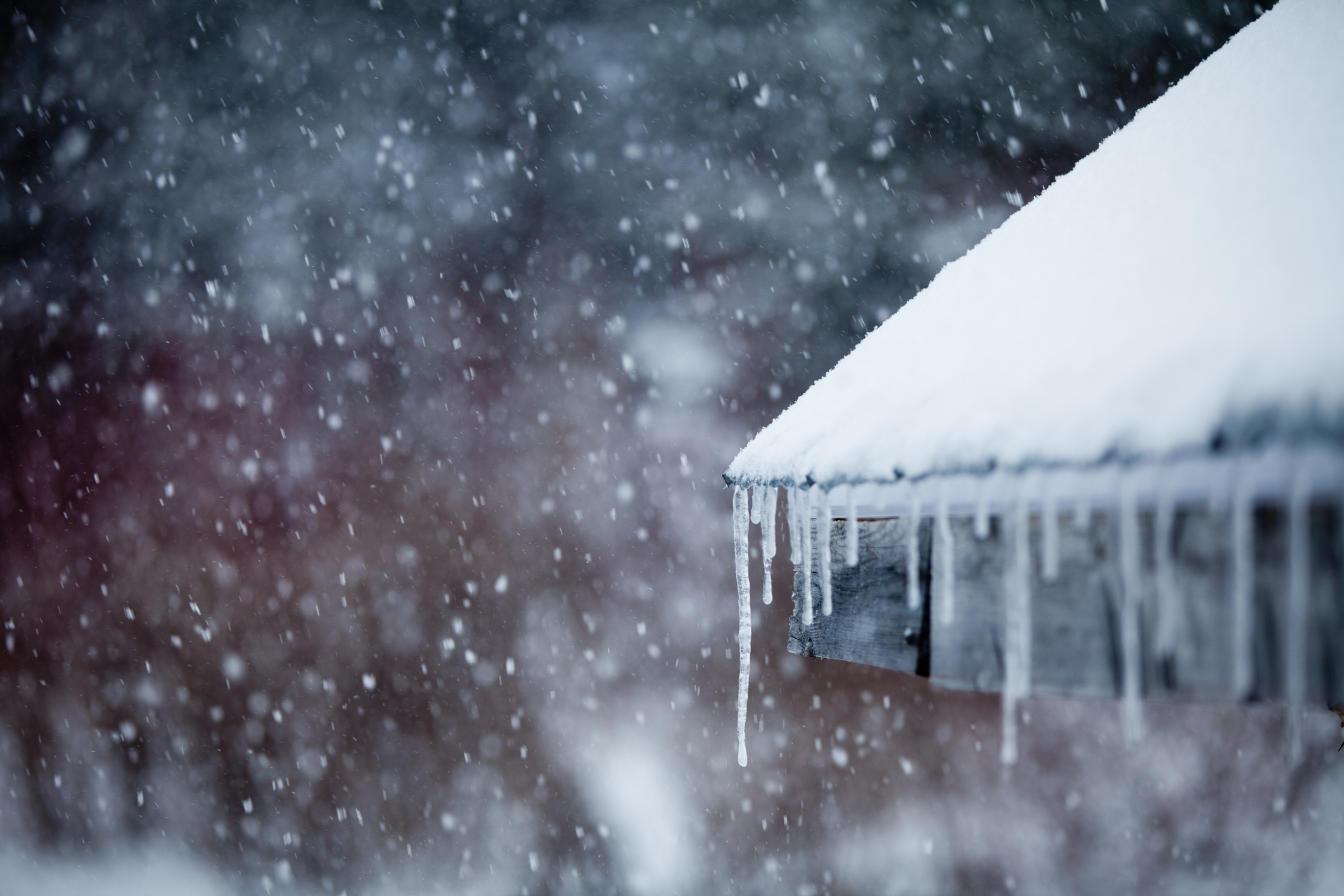
Snow accumulation and ice dams pose another major winter risk. Ice dams form when melting snow refreezes along roof edges, preventing proper drainage. As water backs up, it can seep under shingles and into your:
- Attic
- Insulation
- Interior Walls
The damage may go unnoticed until stains appear on ceilings or walls — by then, moisture may have already compromised structural materials and promoted mold growth.
Pro Tip: Safely remove excess snow from your roof after heavy storms and ensure attic insulation and ventilation are properly installed to reduce ice dam formation.
Not sure if your home is winter-ready? Learn more here: Is Your Home Winter-Ready? Avoid Frozen Pipes and Fire Hazards
Increased Fire Hazards During Cold Months
Fire risks also rise significantly during winter. Space heaters, fireplaces, wood stoves, and overloaded electrical outlets are common culprits. Improper use or faulty equipment can quickly lead to house fires, especially when heaters are placed too close to flammable materials.
Additionally, winter storms can cause power outages, prompting the use of candles or portable generators, which further increases fire risk if used incorrectly.
Pro Tip: Keep all heating sources at least three feet away from curtains, furniture, and other combustibles, and never leave them unattended.
For more fire prevention tips, read our guide: Fire Prevention Tips Every Homeowner Should Know Before Fall
Why Fast Response Matters in Winter Emergencies

Cold-weather damage often escalates quickly. Water spreads faster in enclosed spaces, and freezing conditions can worsen structural cracks and material failure. Immediate professional restoration can:
- Prevent Secondary Damage
- Reduce Repair Costs
- Restore Your Home Safely
Pro Tip: Keep the contact information for a 24/7 restoration company handy. When an emergency happens, it will save valuable time when every minute counts.
Learn how fast action and help from the pros can save your home and wallet: How Restoration Services Can Save You Thousands in the Long Run
Start the Year Prepared
Winter weather brings hidden dangers that can turn small issues into major disasters. By understanding the risks associated with freezing temperatures, snow, ice, and heating equipment, homeowners can take proactive steps to protect their property.
When emergencies strike, 24 Hour Flood Pros is ready to respond day or night, helping you start the new year with confidence and peace of mind.


