

When most homeowners think about sump pump problems, heavy spring rain and floods usually come to mind. But winter can be just as dangerous — if not more so — when it comes to sump pump failures.
Cold temperatures, snow accumulation, and winter storms create unique risks that can leave basements vulnerable to flooding at the worst possible time.
Understanding why sump pump failures are more common in winter can help you take proactive steps to protect your home.
Freezing Discharge Lines: A Hidden Winter Hazard
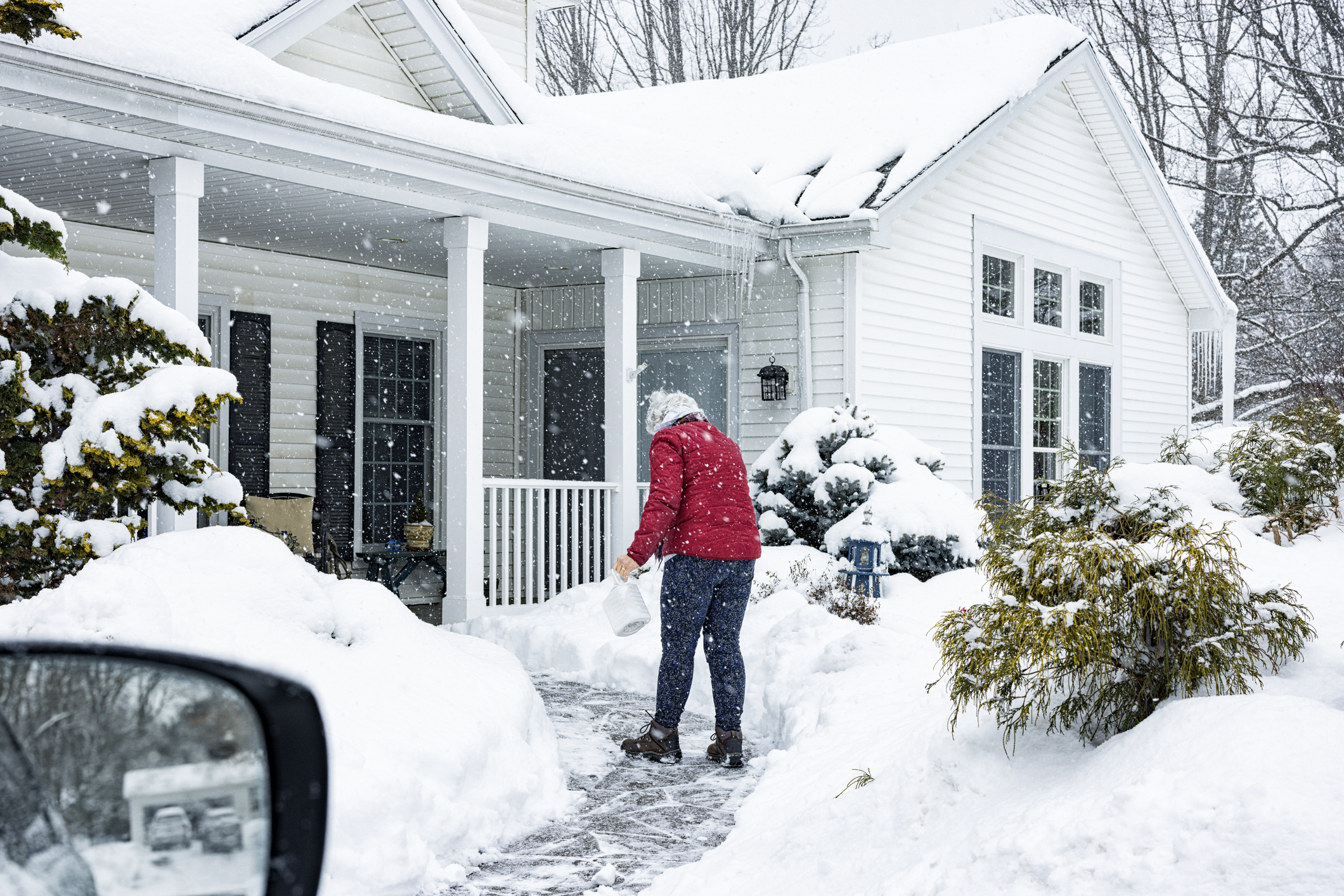
One of the most common winter-related sump pump issues is a frozen discharge line. The discharge line carries water away from your home, but when temperatures drop below freezing, any remaining water inside the pipe can turn to ice.
As ice builds up, it can completely block the line, preventing water from being expelled. When this happens, the sump pump may continue running but has nowhere to send the water —
This causes:
- Backups
- Pump Burnout
- Basement Flooding
Pro Tip: Make sure your discharge line slopes downward and extends far enough away from your foundation. Insulating exposed sections can also help prevent freezing.
If you’re not sure if your home is winter-ready, read our guide: Is Your Home Winter-Ready? Avoid Frozen Pipes and Fire Hazards
Power Outages and Winter Storms
Winter storms often bring high winds, ice, and heavy snow — all common causes of power outages. Unfortunately, most sump pumps rely on electricity to operate. When the power goes out, your sump pump shuts down right when melting snow or rising groundwater may be increasing pressure around your foundation.
- Without a backup system, even a short outage can lead to significant water damage.
Pro Tip: Installing a battery-powered or water-powered backup sump pump can keep your system running during outages and provide peace of mind during severe winter weather.
Concerned about pipes bursting? We’ve got you covered: Winter Weather Warning: How to Protect Your Home from Frozen Pipe Bursts
Snowmelt and Ground Saturation Issues
While snowfall itself may not seem threatening, problems arise when temperatures fluctuate. Warm spells or sudden thaws can cause large amounts of snow to melt quickly. That meltwater seeps into the soil around your home, increasing groundwater levels and forcing your sump pump to work harder than usual.
Frozen ground makes matters worse. When soil can’t absorb water efficiently, runoff is redirected toward your foundation — raising the risk of water intrusion.
Pro Tip: Keep snow cleared away from your home’s foundation and ensure downspouts are directing meltwater well away from the structure.
Follow our new year home safety checklist for more tips and expert insights: New Year’s Home Safety Checklist: Fire and Water Damage Edition
Reduced Maintenance During Cold Months

Many homeowners overlook sump pump maintenance in winter, assuming it’s a low-risk season. In reality, debris buildup, worn components, or aging pumps can lead to failure under increased winter strain.
- A sump pump that’s already struggling may not survive freezing conditions or extended run times caused by snowmelt.
Pro Tip: Test your sump pump before winter begins and schedule an inspection if it hasn’t been serviced recently.
Getting ahead of potential issues saves you money in the long run. Learn more here: How Restoration Services Can Save You Thousands in the Long Run
Don’t Let Winter Catch Your Sump Pump Off Guard
Winter may be cold and quiet on the surface, but beneath the ground, conditions can be tough on your sump pump. Freezing discharge lines, power outages, and rapid snowmelt all increase the risk of failure when you least expect it.
By understanding these winter-specific threats and taking preventative steps, homeowners can reduce the likelihood of basement flooding and costly water damage.
And if a sump pump failure does occur, 24 Hour Flood Pros is always ready to respond — day or night.


