
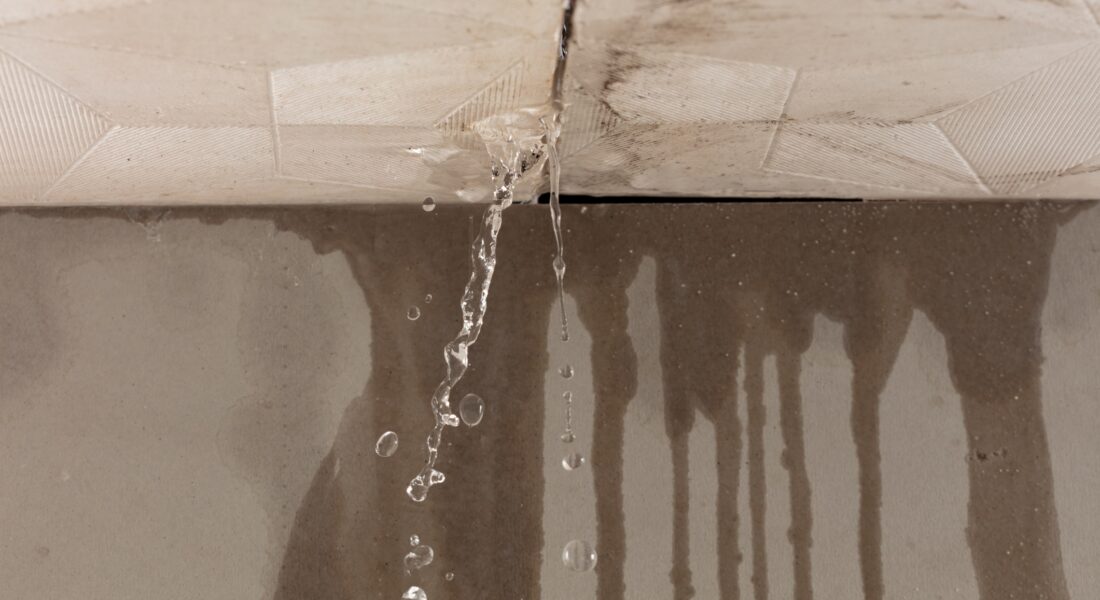
Water damage can escalate fast. Within hours, moisture can weaken structures, ruin belongings, and invite mold growth. Acting quickly in the first 24 hours is critical to minimizing damage and restoration costs.
Here’s a step-by-step guide to what homeowners and business owners should do immediately after water damage occurs.
Ensure Safety First

Before addressing the damage, make sure the property is safe to enter. Standing water can hide dangers like:
- Electrical Hazards
- Structural Damage
- Contaminants
If possible, shut off electricity at the breaker and avoid contact with floodwater until the source is identified.
Pro Tip: If water has reached electrical outlets or appliances, wait for a professional — never assume it’s safe just because the power appears off.
Learn more about DIY water damage cleanup risks here: Why You Shouldn’t DIY Water or Fire Damage Cleanup
Stop the Source of Water
If the water damage is caused by a burst pipe, appliance failure, or plumbing issue, stop the flow immediately. Turn off the main water supply if necessary.
- For weather-related flooding, focus on preventing additional water from entering by using temporary barriers or moving valuables to higher ground.
Pro Tip: Take note of where the water came from — this information helps restoration professionals choose the right drying and sanitizing methods.
Curious about how long water damage restoration really takes? Learn more here: How Long Does Water Damage Restoration Really Take?
Document the Damage
Thorough documentation is essential for insurance claims. Take photos and videos of affected areas, damaged items, and visible water lines before cleanup begins. Create a list of damaged belongings, including approximate values if possible.
Pro Tip: Don’t throw away damaged items until your insurance adjuster has reviewed them or advised you otherwise.
Want to master water damage insurance claims? We’ve got you covered: Mastering Water Damage Insurance Claims: A Comprehensive Guide by 24 Hour Flood Pros
Remove Excess Water and Start Drying
The faster water is removed, the less damage it causes. Use wet/dry vacuums, mops, or towels to extract standing water. Open windows, run fans, and use dehumidifiers to begin drying affected areas.
Pro Tip: Household fans help, but professional-grade equipment removes moisture from walls and subfloors more effectively.
For more on structural drying and dehumidification, read our guide: The Science Behind Structural Drying and Dehumidification
Prevent Mold Growth
Mold can begin developing within 24 hours. Remove wet carpets, rugs, and upholstery if they can’t be dried quickly. Wipe down hard surfaces with appropriate cleaners and keep humidity levels low.
Pro Tip: A musty smell is often the first sign of hidden moisture — don’t ignore it.
Find more on mold remediation and 24/7 response plans here: Why Mold Remediation Services Need a 24/7 Emergency Response Plan
Call a Professional Water Damage Restoration Company

Professional restoration teams, like 24 Hour Flood Pros, have the tools and expertise to:
- Assess Damage
- Eliminate Moisture
- Prevent Long-term Issues
Early professional intervention often saves time, money, and stress.
Pro Tip: Choose a company that offers 24/7 emergency response — water damage doesn’t wait for business hours.
Not sure how to choose the right service? Read our guide for more info: Choosing the Right Emergency Restoration Service: A Comprehensive Guide
Act Fast, Restore Faster
The first 24 hours after water damage can make or break your recovery. By prioritizing safety, stopping the water, documenting damage, and calling professionals quickly, you protect your property and peace of mind. When disaster strikes, 24 Hour Flood Pros is ready to respond — day or night.


