
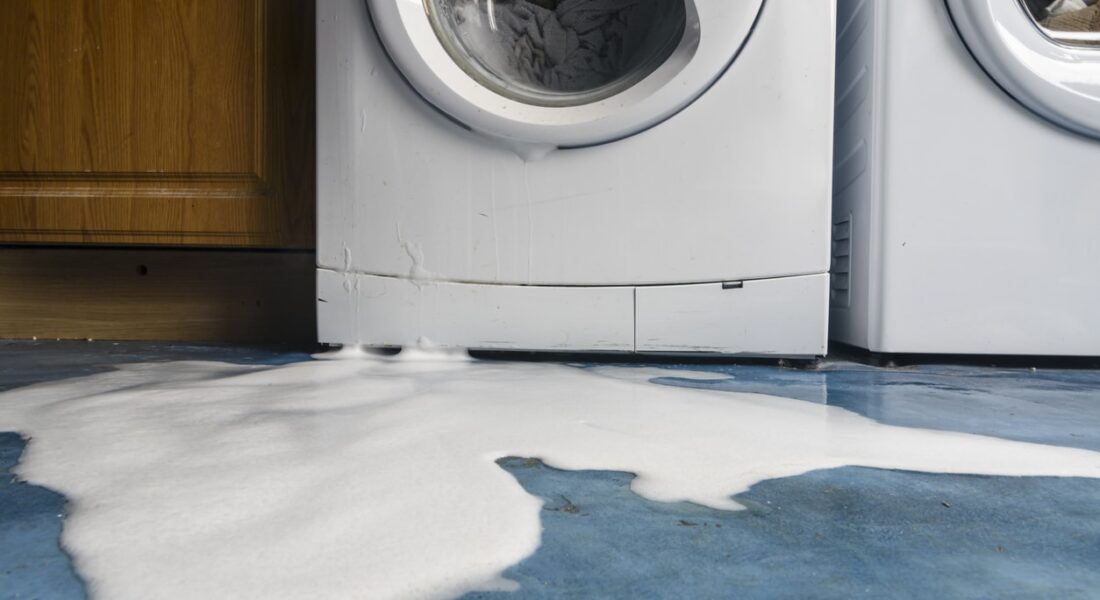
Water damage is one of the most common — and costly — issues homeowners face. Even a small leak can lead to mold growth, structural damage, and expensive repairs if left unchecked. At 24 Hour Flood Pros, we’ve seen firsthand how quickly a water issue can escalate.
Here are the top five causes of residential water damage and how you can help prevent them.
1. Burst or Leaking Pipes
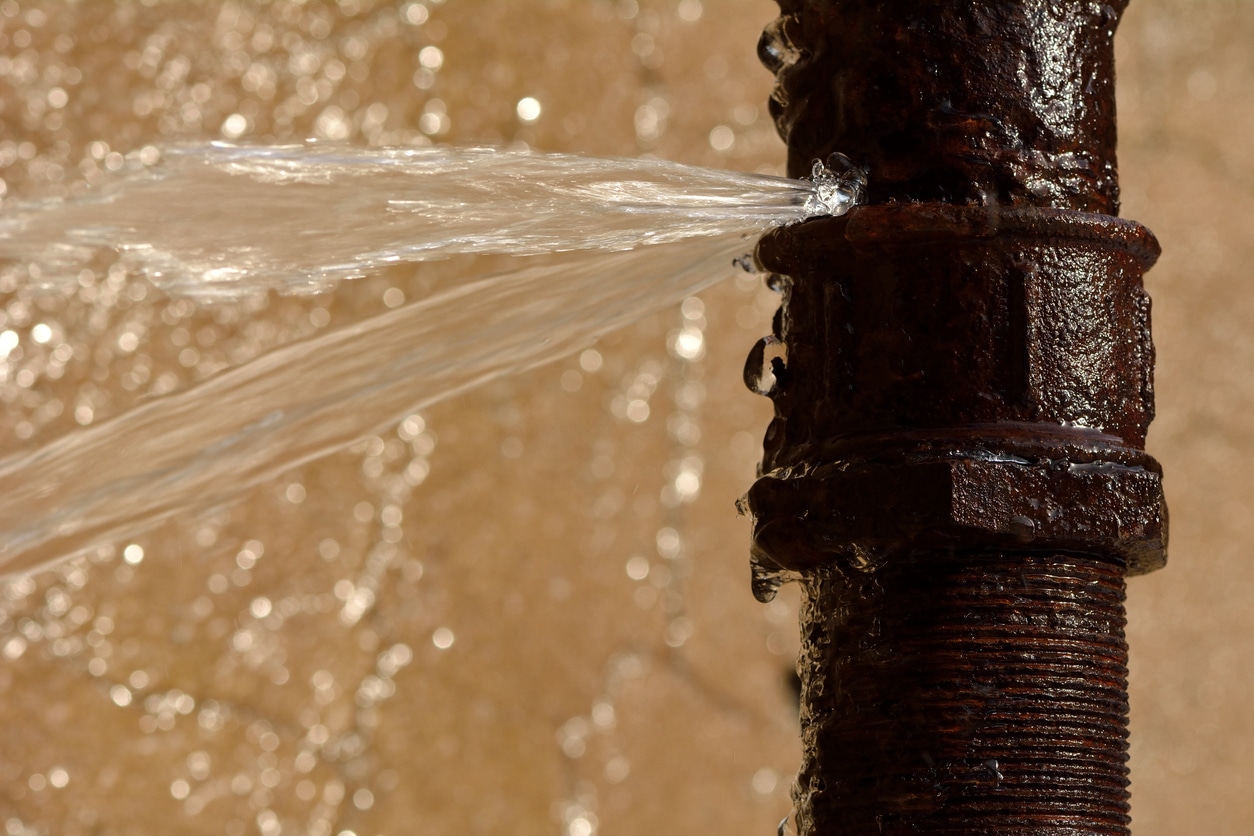
Aging, corroded, or frozen pipes are a leading cause of water damage. In colder climates, water inside pipes can freeze, expand, and cause the pipe to burst. Even a small crack can release gallons of water in minutes.
- Prevention Tip: Insulate pipes in unheated areas, such as basements and crawl spaces. Check for leaks regularly and replace aging plumbing before it fails. In winter, keep your thermostat set to at least 55°F to prevent freezing.
2. Appliance Malfunctions
Dishwashers, washing machines, and water heaters can all leak due to worn-out hoses, loose connections, or internal breakdowns. Over time, unnoticed drips can turn into significant damage.
- Prevention Tip: Inspect appliances and hoses every few months. Replace rubber hoses with braided stainless steel for added durability. Follow manufacturer maintenance guidelines and replace appliances that show signs of rust, leaks, or unusual noises.
3. Roof Leaks
Missing shingles, cracked flashing, or clogged gutters can allow rainwater to seep into your home. Roof leaks often go unnoticed until they’ve caused damage to ceilings, walls, and insulation.
- Prevention Tip: Have your roof inspected annually — especially after severe weather. Keep gutters clean and free of debris to ensure proper drainage. Promptly repair any loose or damaged shingles.
4. Poor Drainage Around the Foundation
Improper grading or clogged downspouts can cause water to pool near your foundation. Over time, this can lead to basement flooding, foundation cracks, or mold growth.
- Prevention Tip: Ensure the ground slopes away from your home’s foundation. Extend downspouts at least 6 feet away from the house. Install a sump pump in your basement if flooding is a recurring issue.
5. Clogged or Backed-Up Drains
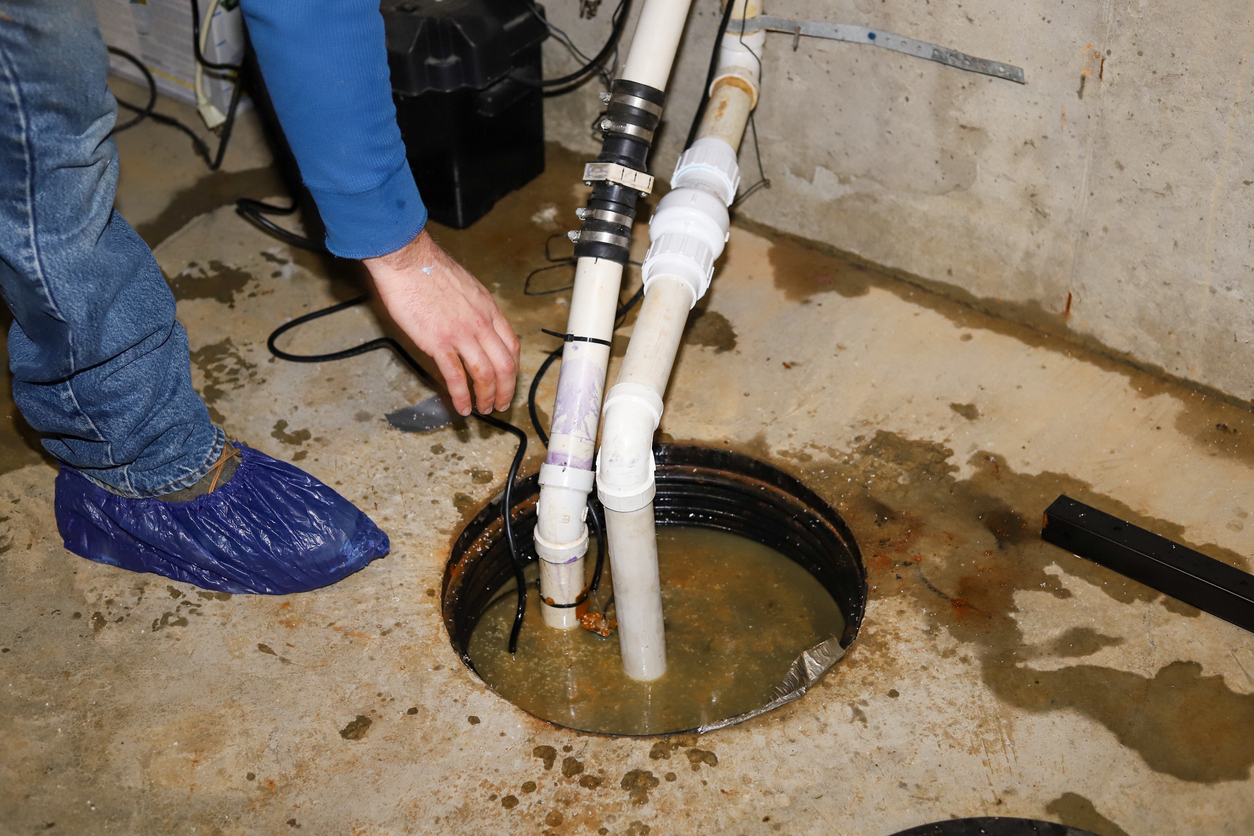
Hair, grease, and foreign objects can clog sinks, showers, and floor drains. In severe cases, a blocked sewer line can cause wastewater to back up into your home.
- Prevention Tip: Avoid pouring grease down drains and use drain screens to catch debris. Schedule regular plumbing inspections and consider a professional drain cleaning service to prevent buildup.
Final Thoughts
While you can’t control the weather or prevent every plumbing issue, proactive maintenance can go a long way toward avoiding costly water damage. If you do experience a leak or flood, 24 Hour Flood Pros is available around the clock to provide fast, professional cleanup and restoration.
The quicker you act, the less damage you’ll face — and the faster your home will be back to normal.


