
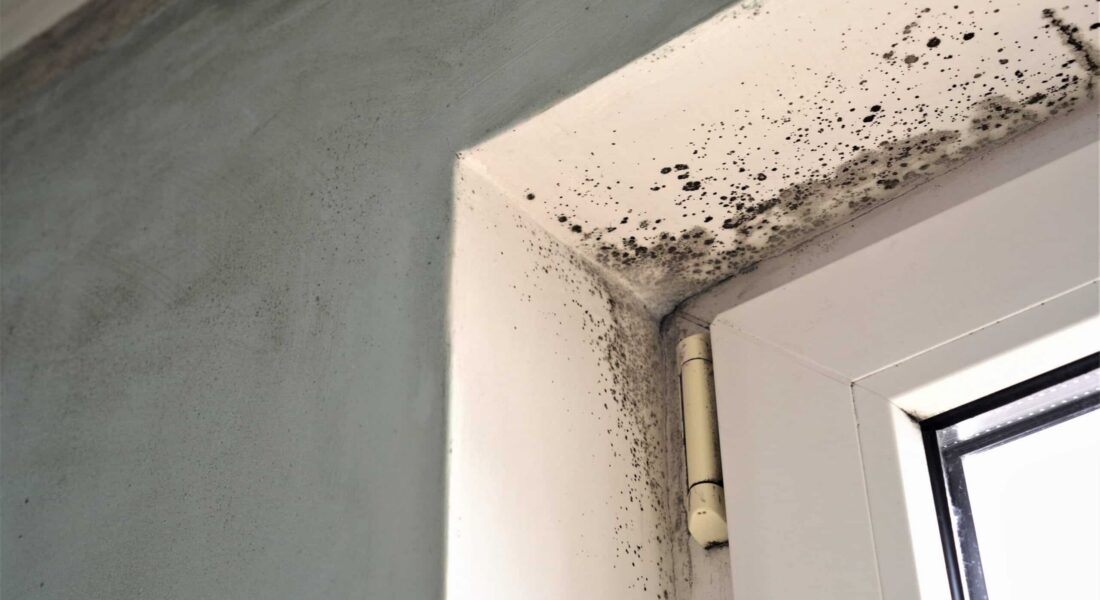
When it comes to protecting your home or business from mold, moisture is the real enemy. Mold spores are everywhere, but they only grow when humidity levels rise above safe thresholds. For property owners, managing indoor humidity isn’t just about comfort — it’s about prevention.
At 24 Hour Flood Pros, we’ve seen firsthand how consistent humidity control can stop mold before it starts. Below, we break down how humidity fuels mold growth — and what you can do to stop it year-round.
Why Humidity Matters in Mold Growth

Mold thrives in environments where relative humidity consistently exceeds 60%. Warm temperatures and stagnant air make things even worse. Bathrooms, basements, attics, laundry rooms, and crawl spaces are especially vulnerable.
High humidity can result from:
- Heavy Rainfall or Flooding
- Plumbing Leaks
- Poor Ventilation
- HVAC System Issues
- Everyday Activities (like cooking and showering)
Even if you don’t see standing water, excess moisture in the air can settle into drywall, insulation, and wood framing — creating the perfect breeding ground for mold colonies.
Pro Tip: Keep indoor humidity between 30% and 50% year-round. A simple digital hygrometer can help you monitor levels accurately.
If your home has suffered water damage, there’s a high likelihood that mold will follow. Learn more here: Water Damage and Mold: How Long Before It Becomes a Health Risk?
Seasonal Humidity Risks (It’s Not Just Summer!)
Many homeowners associate mold with hot, humid summers—but winter presents risks too.
Summer Risks:
- High outdoor humidity infiltrates your home.
- Air conditioning systems may struggle to keep up.
- Storm-related water intrusion increases moisture.
Winter Risks:
- Condensation forms on windows and cold surfaces.
- Poor insulation traps moisture inside walls.
- Sealed homes reduce natural airflow.
Humidity control must be consistent in every season — not just when it feels muggy outside.
Pro Tip: Schedule seasonal HVAC inspections to ensure your system properly regulates temperature and humidity year-round.
Find more seasonal mold resources here:
- Top 8 Mold Prevention Tips for Spring: Keeping Your Home Safe and Dry
- Understanding and Managing Mold During Winter
Effective Humidity Control Strategies
Preventing mold requires a proactive approach. Here are the most effective methods:
- Use Dehumidifiers: Portable or whole-home dehumidifiers remove excess moisture from the air, especially in basements and crawl spaces.
- Improve Ventilation: Install exhaust fans in bathrooms and kitchens, vent dryers outdoors, and open windows when weather permits.
- Maintain Your HVAC System: Your HVAC system plays a major role in moisture control. Dirty filters, clogged drains, or improper sizing can lead to excess humidity.
- Address Water Damage Immediately: After flooding, leaks, or fire suppression efforts, rapid drying is critical. Moisture left behind can trigger mold growth within 24–48 hours.
Pro Tip: After any water event, contact a professional restoration company for industrial-grade drying and moisture detection to prevent hidden mold growth.
For more on what to do immediately after water damage, read our guide: What to Do in the First 24 Hours After Water Damage
The Hidden Cost of Ignoring Humidity

Unchecked humidity doesn’t just lead to mold — it can cause:
- Structural Damage (to wood framing and drywall)
- Peeling Paint and Warped Flooring
- Musty Odors (that reduce property value)
- Potential Health Concerns for Occupants
By controlling humidity, you’re protecting both your investment and the people inside your property.
Pro Tip: If you notice persistent musty smells, condensation, or visible staining, schedule a professional moisture inspection before the issue escalates.
Learn more about the costly effects of delaying water damage repairs here: Why Delaying Water Damage Repairs in Winter Can Be a Costly Mistake
Stay Dry, Stay Protected: Year-Round Mold Prevention
Humidity control isn’t a one-time fix — it’s an ongoing strategy. By monitoring indoor moisture levels, maintaining proper ventilation, and responding quickly to leaks or flooding, you dramatically reduce the risk of mold growth. When water damage does occur, fast professional intervention makes all the difference.
At 24 Hour Flood Pros, we specialize in rapid response, thorough drying, and mold prevention services to keep your home or business safe in every season. The key to mold prevention isn’t luck — it’s consistent humidity control.


