
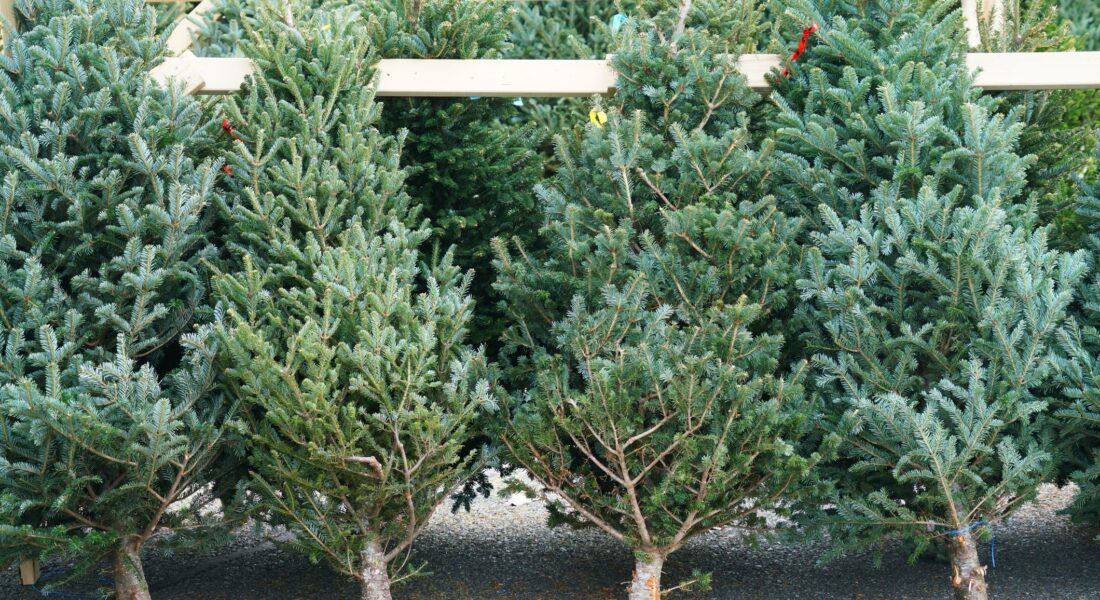
The holiday season should be full of warmth and celebration — not unexpected emergencies. Yet Christmas tree fires remain a serious risk, especially when trees dry out or electrical components fail. For homeowners, understanding the most common hazards and taking simple precautions can make all the difference in keeping your family safe.
Here’s what 24 Hour Flood Pros wants every household to know before decorating this year.
Why Christmas Tree Fires Happen
Christmas tree fires usually ignite due to a combination of a dry tree, overloaded electrical outlets, or heat sources placed too close to branches. A dry tree can go up in flames in seconds, spreading rapidly throughout the room. According to fire safety experts, even a small spark — such as from a faulty light string — can be enough to ignite dry needles.
Pro Tip: Before bringing a tree home, run your hand along the branches. If needles fall off easily, the tree is already too dry.
Learn more about common winter fire hazards here: Common Winter Fire Hazards and How to Keep Your Home Safe
Choosing and Maintaining a Safe Tree
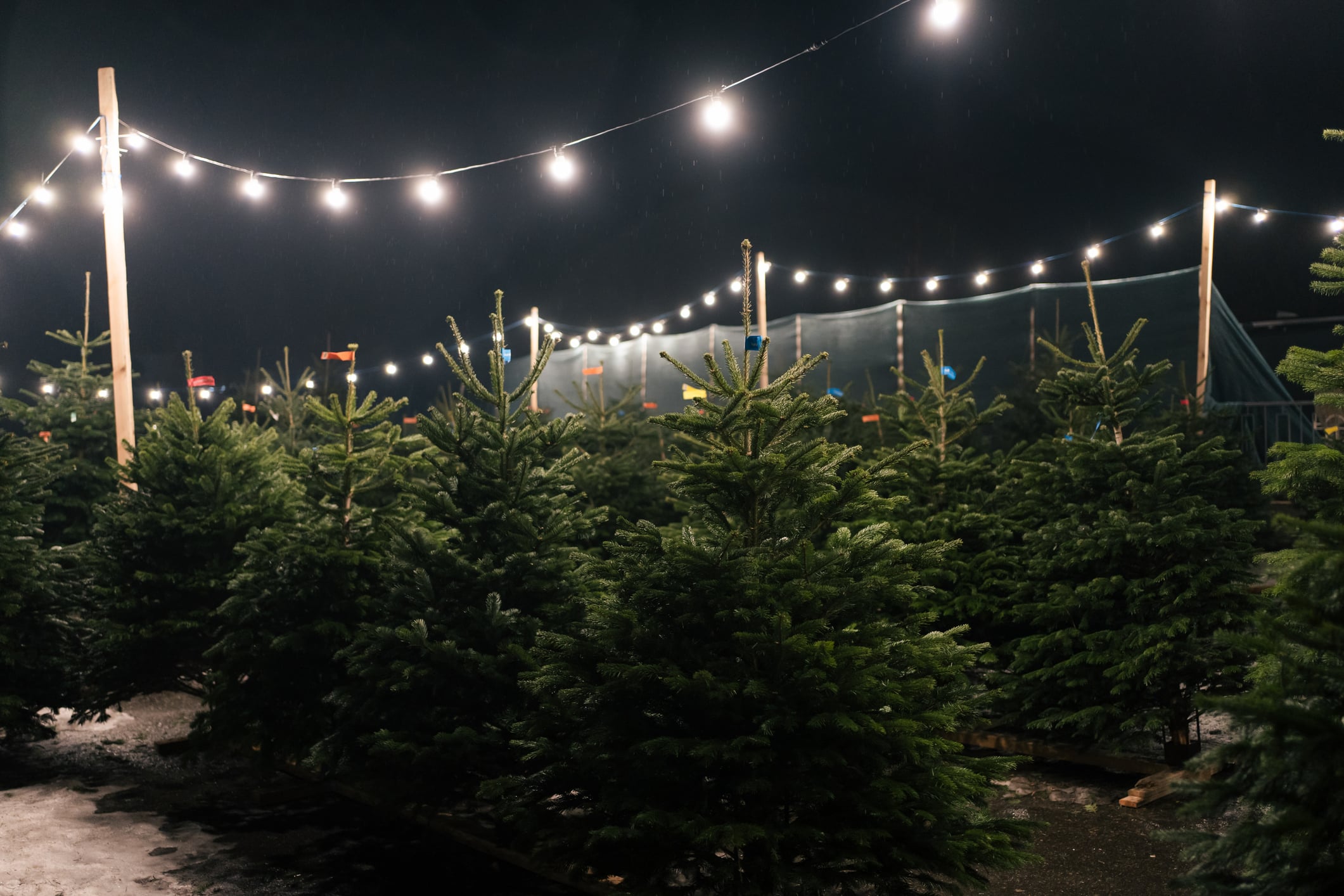
Whether you prefer real or artificial, choosing the right Christmas tree is the first step toward a safer home.
For Real Trees
- Select a fresh tree with bright green needles.
- Make a fresh cut at the base before placing it in water.
- Keep the stand filled with water daily — trees can absorb a surprising amount.
For Artificial Trees
- Look for labels indicating the tree is fire-resistant.
- Avoid older models with outdated wiring or built-in lights that may malfunction.
Safe Lighting and Electrical Practices
Holiday lights bring magic to your tree, but they’re also a leading cause of decorations-related fires.
- Inspect all light strands for frayed wires, loose bulbs, or cracked sockets.
- Use outdoor-rated lights for exterior displays and indoor-rated lights for interior trees.
- Never connect too many strings together — check the manufacturer’s recommendations.
- Turn off all holiday lights before going to bed or leaving the house.
Pro Tip: Switch to LED lights. They generate far less heat and consume less energy, reducing both fire risk and electricity costs.
Want more holiday safety tips? We’ve got you covered: Holiday Safety 101: Tips to Prevent Fires from Decorations and Cooking
Where You Place Your Tree Matters
Placement is often overlooked, but it’s a key part of fire prevention.
- Keep the tree at least three feet from fireplaces, space heaters, radiators, or heat vents.
- Make sure it isn’t blocking exits or creating hazards in high-traffic areas.
- Use a stable stand to prevent tipping, which can cause electrical sparks or candle accidents.
When It’s Time to Take the Tree Down
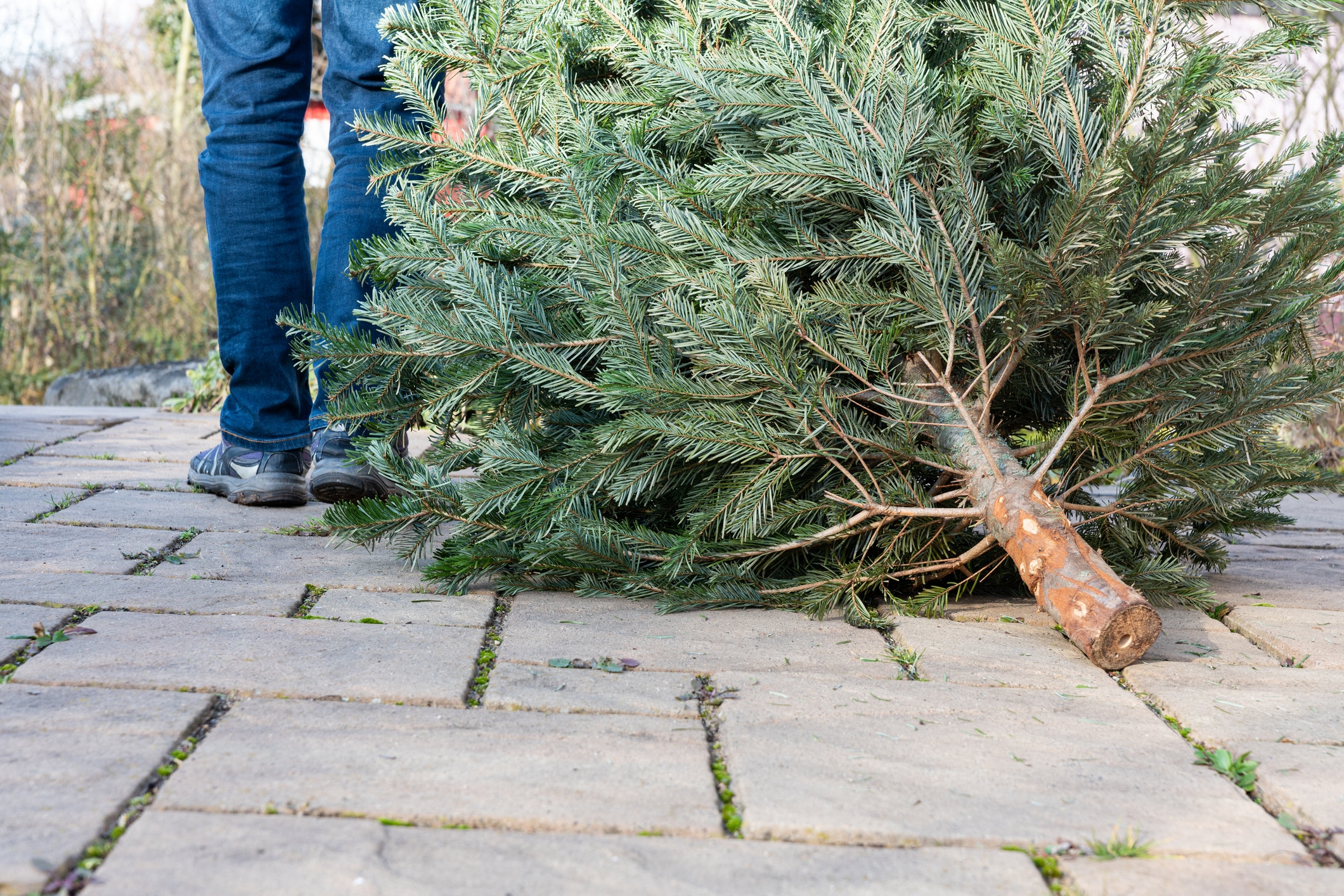
Once the needles begin to dry out — even if it’s before New Year’s — it’s time to dispose of the tree. Dried-out trees are one of the most common causes of post-holiday fires. Many communities offer curbside recycling or drop-off points to ensure safe disposal.
Pro Tip: If the worst happens and a fire starts, get everyone out of the house immediately and call 911—never try to extinguish a rapidly spreading tree fire yourself.
For more on the importance of emergency disaster plans, read our guide: What to Do When Holiday Disasters Strike: A Quick Action Plan
A Safer Holiday Starts with Awareness
Christmas tree fires are preventable when homeowners stay vigilant, choose safe materials, and follow simple precautions. A little extra attention now can protect your home, your family, and your holiday memories.
If a fire or water disaster does occur, 24 Hour Flood Pros is ready to help restore your property quickly and safely.


