
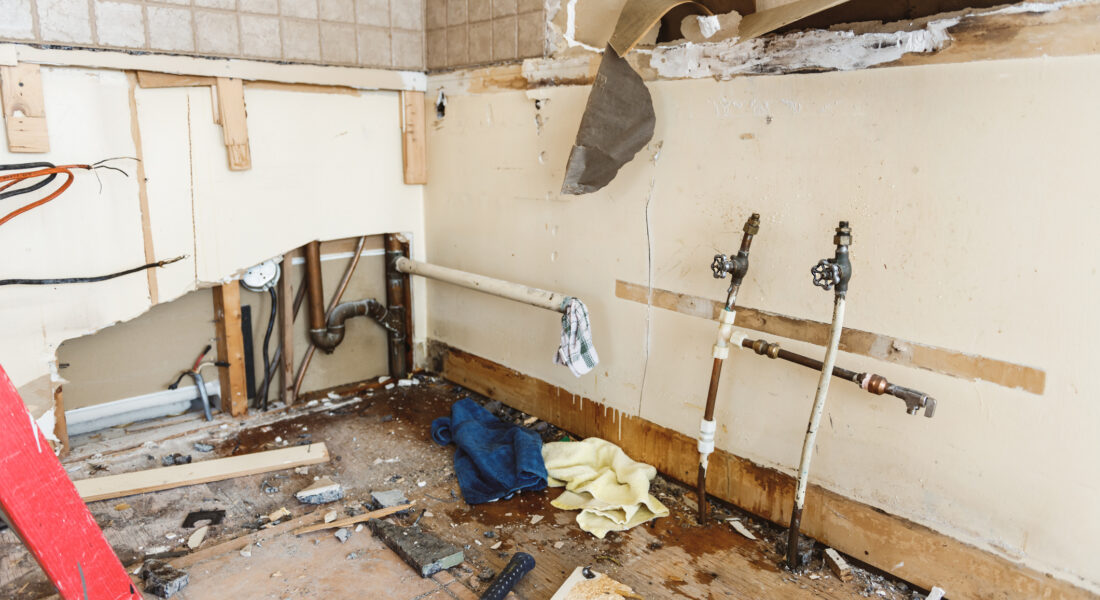
Winter is already hard on homes and businesses. Add untreated water damage to freezing temperatures, and small issues can quickly turn into expensive disasters. Whether caused by burst pipes, ice dams, appliance leaks, or flooding, water damage should never be ignored — especially in cold weather.
For property owners, delaying repairs during winter can dramatically increase repair costs, health risks, and structural damage. Here’s why acting fast with a professional team like 24 Hour Flood Pros is critical.
Freezing Temperatures Make Water Damage Worse

When temperatures drop below freezing, trapped moisture becomes a serious threat. Water left inside walls, floors, or ceilings can freeze and expand, causing materials to:
- Crack
- Warp
- Split
Pipes that already leaked once are more likely to burst again if residual moisture freezes overnight.
Frozen water also slows down natural evaporation, meaning affected areas stay wet longer. The longer moisture lingers, the more extensive the damage becomes — and the harder it is to fully dry the structure without professional equipment.
Pro Tip: If you suspect water damage in winter, raise indoor temperatures slightly and avoid shutting off airflow to affected rooms.
Follow our checklist to keep your home safe from fire and water damage in 2026: New Year’s Home Safety Checklist: Fire and Water Damage Edition
Mold Can Still Grow in Winter
A common misconception is that mold isn’t a winter problem. In reality, mold thrives indoors year-round when moisture is present. Heated buildings provide the warmth mold needs, and water-damaged materials offer the perfect breeding ground.
Mold can begin growing within 24–48 hours after water exposure. If repairs are delayed, mold colonies can spread behind walls, under flooring, and through HVAC systems — increasing cleanup costs and creating potential health concerns such as allergies and respiratory issues.
Pro Tip: Musty odors, condensation, or unexplained allergy symptoms during winter can all signal hidden mold growth.
Learn how to prevent mold, odors, and further damage here: The Ultimate Holiday Clean-Up Guide: Preventing Mold, Odors, and Damage
Structural Risks Increase Over Time
Water weakens structural components like:
- Wood Framing
- Drywall
- Insulation
- Subflooring
During winter, repeated freeze-thaw cycles can accelerate this deterioration. What starts as minor swelling can lead to:
- Sagging Floors
- Cracked Ceilings
- Compromised Load-bearing Elements
Additionally, wet insulation loses its effectiveness, making buildings colder and driving up heating costs. Left untreated, water damage can eventually impact a property’s safety, value, and insurability.
Pro Tip: If doors or windows suddenly stick during winter, water-damaged framing may be shifting or swelling.
For more info on the top causes of water damage in the home, read our guide: Top 5 Causes of Residential Water Damage (and How to Prevent Them)
Emergency Repairs Cost More Than Early Action

Delaying repairs often turns a manageable restoration job into a full-scale emergency. Burst pipes, ceiling collapses, and electrical hazards are far more expensive — and disruptive — than addressing water damage early.
Quick response not only limits damage but also helps with insurance claims by documenting issues before they worsen. A prompt inspection and drying process can save thousands in long-term repair costs.
Don’t Delay, Contact the Pros Today!
Winter water damage doesn’t fix itself — it compounds. Freezing temperatures, indoor mold growth, and structural weakening make delays especially risky during colder months. Acting quickly protects your property, your health, and your budget.
When water damage strikes, 24 Hour Flood Pros is ready to respond fast, minimize damage, and restore your property safely — no matter how cold it gets outside.


