
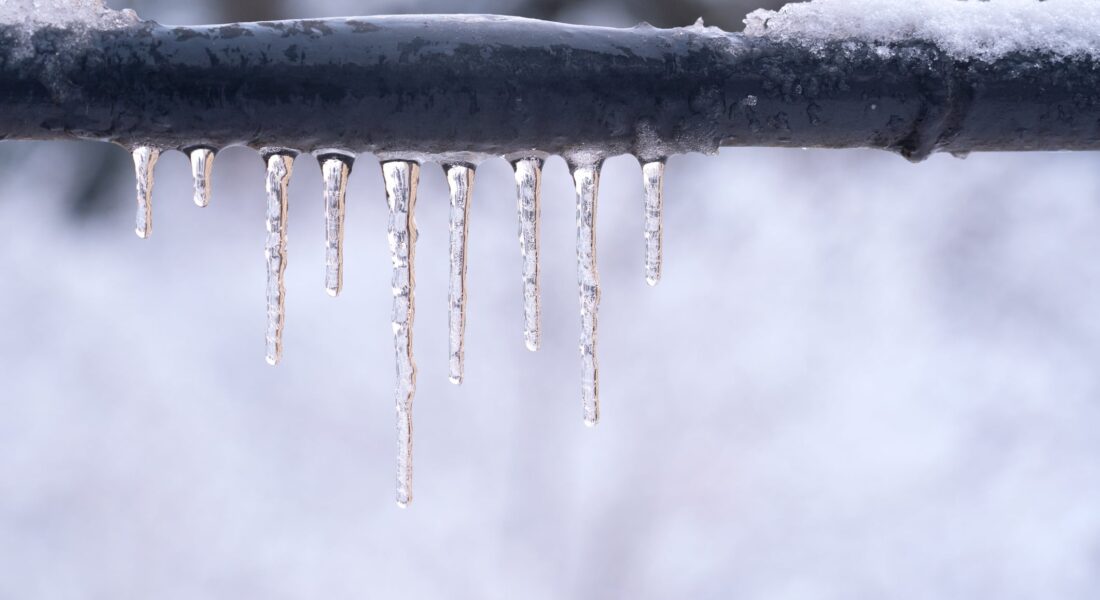
When temperatures plunge, frozen pipes become one of the most common — and costly — winter emergencies. A burst pipe can release hundreds of gallons of water in minutes, damaging floors, walls, furniture, and electrical systems. As a homeowner, preparation is your best defense.
Here’s how to protect your home and prevent the need for emergency water damage restoration from 24 Hour Flood Pros.
Why Pipes Freeze in the First Place

Pipes freeze when the standing water inside them reaches 32°F and expands, putting immense pressure on the pipe walls. Even durable copper or PVC pipes can crack under the strain. The most at-risk areas are uninsulated or exposed sections, such as:
- Basements
- Attics
- Crawl Spaces
- Garages
- Exterior Walls
Pro Tip: If you’ve had a frozen or burst pipe before, that section of plumbing is automatically a high-risk area. Prioritize reinforcing protection in those spots first.
For more on burst pipes, read our guide: Recognizing and Handling Burst Pipes: A Comprehensive Guide
Top 4 Strategies to Prevent Frozen Pipes
Let’s look at four preventative measures to ensure your pipes flow freely through the coldest months:
- Insulate Vulnerable Pipes: Use foam pipe sleeves, fiberglass insulation, or heat tape on pipes along exterior walls or in unheated rooms. These simple, inexpensive materials can dramatically reduce freezing risk.
- Keep Interior Temperatures Consistent: Set your thermostat no lower than 55°F — even when you’re away. Open interior doors to help warm air circulate throughout the home, especially around bathrooms, basements, and laundry rooms.
- Seal Exterior Air Leaks: Cold drafts near plumbing are a major culprit. Use caulk or weather stripping around windows, sill plates, and utility line openings to keep freezing air out.
- Let Faucets Drip During Deep Freezes: Allowing a slow stream of water to move through the pipes reduces the chance of freezing. Even a small trickle relieves pressure buildup and keeps water flowing.
How to Spot a Frozen Pipe Early
Frozen pipes don’t always burst immediately. Warning signs include reduced water pressure, frost on the pipe exterior, and unusual smells coming from drains (caused by blocked airflow). If you suspect a freeze, shut off the main water supply and call a professional immediately.
Pro Tip: Never attempt to thaw pipes using open flames. Use a hair dryer or space heater — safer, slower, and far less likely to start a fire.
Learn more about winter preparedness, frozen pipes, and fire hazards here: Is Your Home Winter-Ready? Avoid Frozen Pipes and Fire Hazards
What to Do If a Pipe Bursts

Turn off the main water valve, then shut off electricity if water is pooling near outlets or appliances. Next, contact an emergency restoration service. Rapid water removal, structural drying, and mold prevention are critical to minimizing long-term damage.
Wrapping Up
Winter weather is unpredictable, but your home’s protection doesn’t have to be. By insulating vulnerable areas, maintaining consistent indoor temperatures, and watching for freeze warning signs, you can greatly reduce the risk of burst pipes.
And if the unexpected happens, 24 Hour Flood Pros is always on call to restore your home quickly and safely!


