
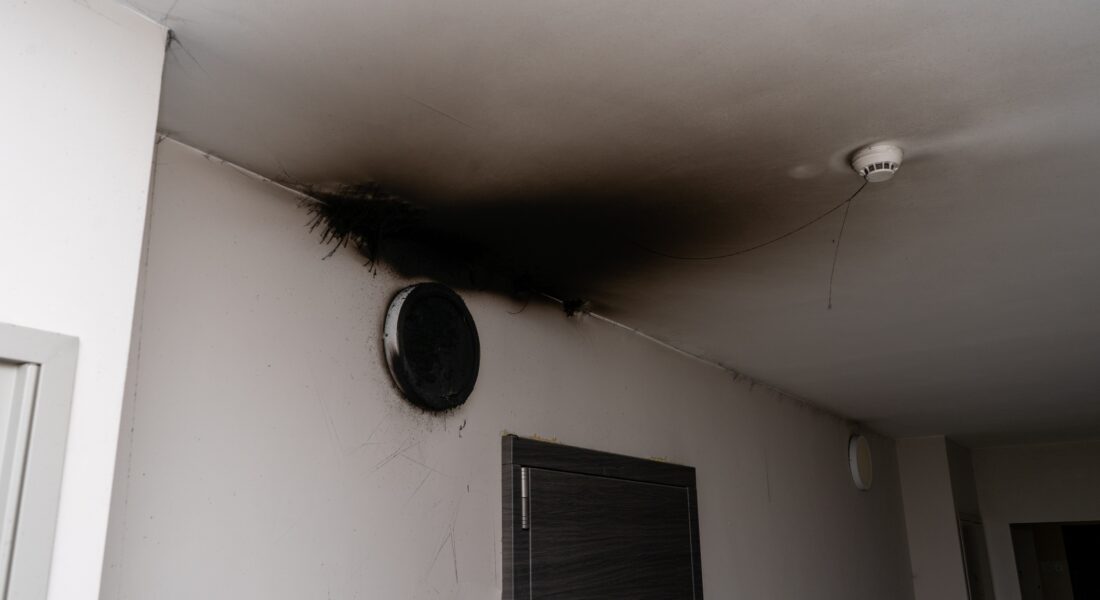
Even a small kitchen fire — a pan left unattended or a toaster mishap — can have surprisingly large consequences. While flames might stay contained, the smoke they produce can infiltrate every corner of your home.
Understanding how and why this happens is essential to protecting your property and your health.
The Hidden Threat of Smoke

When something burns, it releases tiny particles of soot, ash, and vaporized materials. These microscopic particles can travel through air vents, insulation, and cracks in walls faster than most people realize.
Unlike fire damage, which is usually localized, smoke spreads far and wide — coating surfaces, seeping into fabrics, and settling deep within HVAC systems.
Pro Tip: Even if the visible damage seems minor, schedule a professional inspection. Smoke can continue to circulate long after the fire is extinguished, causing lingering odors and respiratory irritation.
Learn more about recovering from smoke and soot damage here: How to Clean Smoke and Soot Damage from Wildfires Safely
How Small Fires Create Big Damage
Small kitchen fires often involve burning grease, oil, or plastic — materials that produce especially dense, sticky smoke. This residue clings to everything, creating stubborn stains and a persistent odor that standard cleaning won’t remove.
Additionally, heat from the fire can open pores in walls and wood, allowing smoke to penetrate more deeply. Over time, these hidden residues can discolor paint, tarnish metal fixtures, and even degrade electrical components.
Pro Tip: Avoid wiping smoke residue yourself. The oily nature of soot can smear easily, worsening stains. Professional restoration teams use specialized sponges and cleaning agents designed to lift residue safely.
For more on the pros and cons of DIY fire cleanup, read our guide: The Pros and Cons of DIY Fire Damage Restoration
The Health Risks of Smoke Residue

Smoke damage isn’t just cosmetic — it’s also a health concern. The fine particles left behind can irritate lungs and eyes, trigger allergies, and worsen asthma. If plastics or synthetic materials were burned, toxic compounds may be present in the soot.
Even after odors fade, harmful particles can remain embedded in upholstery and carpet fibers, releasing contaminants into the air over time. Proper remediation involves not only surface cleaning but also deep deodorization and air purification.
Pro Tip: If you smell smoke days after a fire, don’t ignore it. That odor indicates lingering contamination that needs immediate attention.
Remember, not everything is salvageable after a fire. Learn more here: Unsalvageable Items: Things You Should Always Dispose of After a House Fire
Why Professional Smoke Remediation Matters
DIY cleaning can mask odors temporarily, but full restoration requires specialized tools and expertise. Professionals use HEPA vacuums, ozone treatments, and thermal fogging to neutralize smoke particles and restore indoor air quality.
Prompt cleanup is vital — delaying treatment allows acidic soot to corrode metal, etch glass, and permanently stain surfaces.
At 24 Hour Flood Pros, we understand that even minor kitchen fires can lead to costly smoke damage if not addressed quickly. Our certified technicians provide thorough smoke and odor removal to help restore your home safely and efficiently.
Handling Smoke Damage Safely
Small kitchen fires may seem harmless once the flames are out, but the invisible reach of smoke can turn a contained incident into a major restoration project. Acting fast, avoiding DIY mistakes, and calling trained professionals are the keys to minimizing long-term damage.


